
How Sex Addiction Therapy Helps Rebuild Trust, Relationships, and Emotional Health
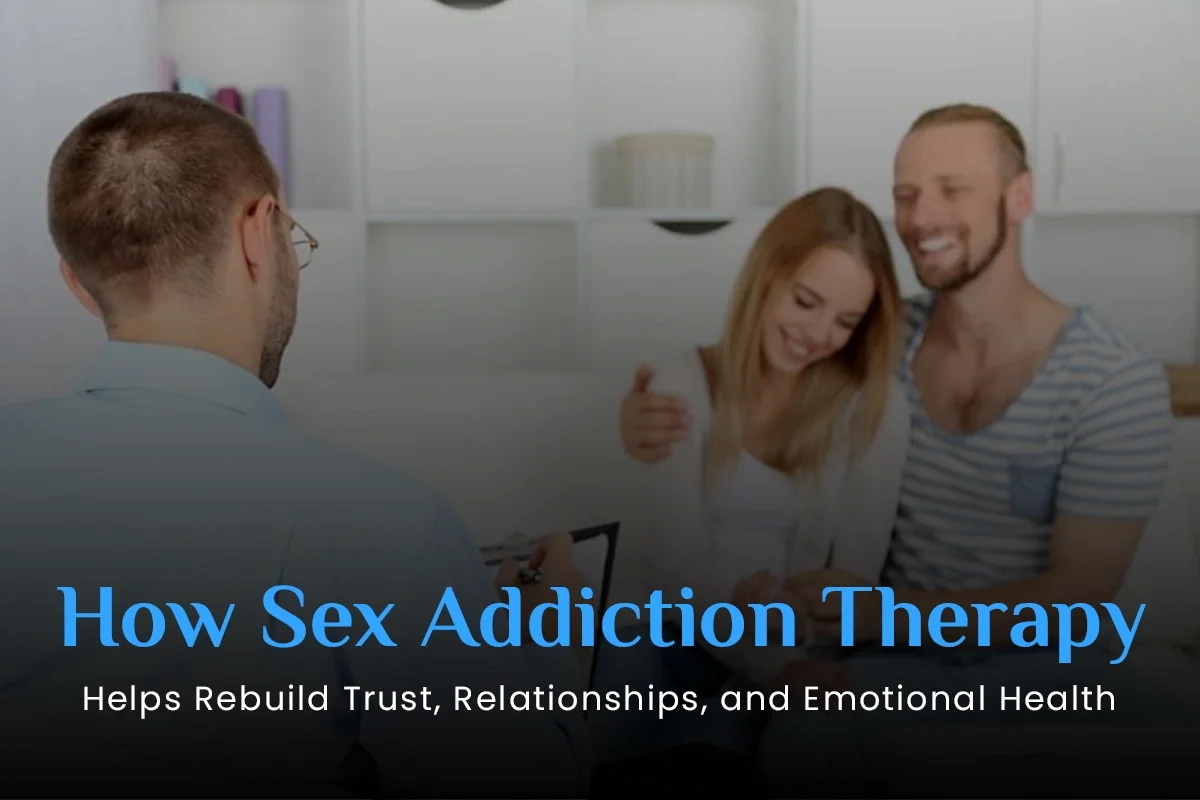
It is impossible for someone who has not experienced it to understand the pressure that sex addiction can put on a relationship. Keeping a phone secret, deleting internet history, not talking about porn use, or promises that aren’t kept might make a partner feel wounded and confused. As the pressure or guilt mounts, they may feel ashamed, trapped, and unsure how to stop. Sex addiction therapy offers a space for both partners to slow down, be honest, and begin to work on what has been harmed.
How Sex Addiction Can Affect Trust and Relationships
Trust usually does not break all at once. It cracks in small pieces, through secrecy, lies, and repeated letdowns. After betrayal, the relationship can start to feel unsafe. One partner may want answers but feel afraid of what they might hear. The other may shut down because of shame, and that distance can keep growing. Sex addiction can also make intimacy feel tense, awkward, or painful, which is why many partners describe the experience as betrayal trauma.
How Therapy Supports Long-Term Recovery
Most people try to quit on their own first. They remove apps, ban websites, avoid areas, and make pledges that this time will be different. Sometimes it works for a little while, but the habit can reemerge when the stress, loneliness, or guilt becomes strong again. Therapy focuses on what happened before the conduct, not simply after. It’s easy to see the triggers, hit the pause button sooner, and choose an alternative reaction.
It also helps people build healthier coping skills. For many, sexual behavior becomes a way to escape discomfort, but that relief usually creates more pain later. In therapy, the person can learn how to sit with urges, calm their body, speak more honestly, leave risky situations, and ask for support before the old pattern takes over. Accountability matters too, because recovery is not about hiding less successfully. It is about learning how to live with more honesty.
Therapy Approaches Used in Recovery
Sex addiction recovery does not look the same for everyone. Some people need individual therapy first. Some couples need help with betrayal. Others need trauma-focused care because old pain is still shaping current choices. Individual therapy gives a private place to talk through urges, guilt, stress, past experiences, and the habits that have built up over time. Couples therapy creates space for both people to talk about honesty, boundaries, and what trust would need to look like going forward. For some clients, trauma-informed therapy and EMDR may also help when painful memories or strong emotional triggers are part of the picture.
How Therapy Helps Rebuild Trust After Betrayal
Trust does not come back because someone apologizes once. It comes back through repeated honesty. The person in recovery has to become more open and less defensive, while the partner needs room to talk about anger, fear, sadness, and confusion without being rushed. Rebuilding trust often means clear boundaries, honest check-ins, transparency, and follow-through that matches the promises being made. Some days feel better than others, and that is normal. Healing usually takes time.
Improving Emotional Health Through Therapy
Sex addiction takes a real emotional toll. It is not only the behavior itself, but also the hiding, the guilt, the stress of being found out, and the feeling of living one way in public and another way in private. Over time, that pressure can make people anxious, numb, angry, or disconnected from the people around them. Therapy gives those feelings a place to go. It also helps the person understand what they are feeling before the urge shows up, which makes it easier to handle conflict and discomfort without falling back into the same cycle.
When Should You Consider Sex Addiction Therapy?
You do not have to wait until everything falls apart before getting help. If you keep trying to stop and still end up back in the same behavior, if you feel guilty afterward, if you hide things from your partner, or if sexual behavior has become the way you cope with emotions you do not know how to handle, therapy may be worth considering. It may also be time if the pattern is affecting your work, home life, or relationships.
Finding the Right Sex Addiction Therapist in Utah
This is not the kind of issue where general advice is enough. You want someone who understands addiction recovery, compulsive sexual behavior, betrayal trauma, and relationship repair. If you are looking for sex addiction therapy near me, choose a therapist who has worked with this issue before and can offer privacy, respect, and a plan that fits your situation. For people in Logan, Smithfield, North Logan, and nearby communities, local care can make it easier to stay consistent and include a partner when needed.
Addictions Healing states that its clinicians are trained and licensed, carry special certifications in sexual addiction and sexual health, and have thousands of hours of experience treating problematic sexual behaviors. The clinic lists services such as individual psychotherapy, partner treatment, EMDR, group therapy, sexual behavior risk evaluations, and modified IOP for sexual compulsivity. The About page lists Dr. Matthew Hedelius, Dr. A. Todd Freestone, Jacob Stacy, and Amy Smith, and notes that the providers are certified sex addiction therapists and members of the International Institute for Trauma and Addiction Professionals.
Healing Relationships Through Professional Support
If sex addiction has affected your relationship, everything can feel tangled together: the behavior, the hiding, the hurt, the guilt, the questions, and the fear of what happens next. You do not have to sort through all of that alone. With the right support, it is possible to understand the cycle, build accountability, talk more clearly, and begin repairing emotional safety. Healing takes time, but a steady professional can give both people a place to begin.
