
People picturing sex rehab centers often assume treatment means leaving home, but outpatient care is built to run alongside a normal week. You attend scheduled sessions, practice skills between them, and stay in your job and family routine. This post walks through what that week can look like in our modified intensive outpatient program in Logan, Utah.
The Shape of a Week
Our modified intensive outpatient program is built on multiple therapy sessions each week, focused on triggers, emotional awareness, and coping skills. The exact number is set in your plan, not fixed for everyone. SAMHSA describes intensive outpatient treatment as offering more intensive services than traditional outpatient care while avoiding the restrictions of residential treatment, and notes that clients can keep up work, caregiving, and other responsibilities.
A common pattern is an individual session that sets the focus for the week, a group session that adds peer accountability, and skills practice in between, with progress reviewed at regular evaluations. The program is designed for people in Utah who need professional support while keeping their daily responsibilities.
Individual Sessions
One-on-one sessions are where emotional regulation and behavior management get specific attention. You review the time since your last session, identify triggers that came up, and adjust your coping plan. Your therapist sets the pace by your history, so someone new to treatment is not moved faster than they can manage. Between sessions you use the coping plan built in therapy: grounding when stress rises, a note of any trigger that came up, and the regular accountability check-ins that structured monitoring provides. Trauma and attachment work happens here too, because those patterns tend to surface in private before they can be discussed in a group.
Group Work
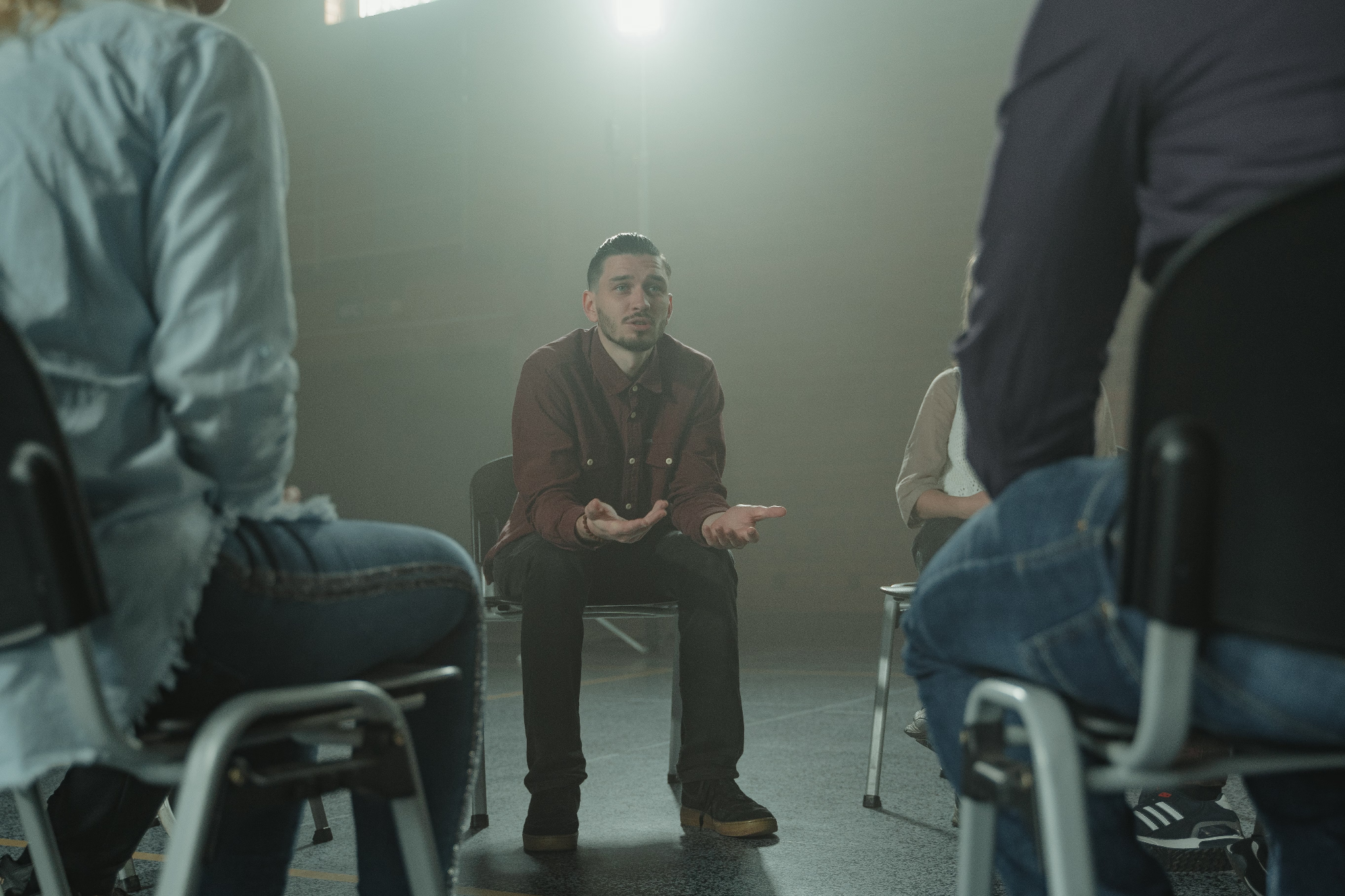
Groups are led by a therapist and give you peers who recognize your patterns. Typical activities include discussion of therapeutic topics, structured reflection exercises, peer feedback, and education about addiction, trauma, and recovery. Groups are offered in person in Logan and online, and the structure builds shared responsibility and motivation. A group also shows you that others face the same urges, which lowers the secrecy that keeps the cycle going.
Education and Skills Practice
Psychoeducation covers addiction neuroscience and relapse prevention, so you understand why urges behave the way they do. Mindfulness and grounding exercises give you something to use in the moment, and you practice them between sessions. Progress is monitored with regular evaluations, which show whether the plan still fits. Partners can receive betrayal trauma therapy and support at the same time, so the household is not left out of the process.
Balancing Treatment With Daily Life
Because you live at home, outpatient scheduling is what lets you keep working and meeting family obligations. Online options are available throughout Utah and Idaho if travel is a problem. The American Psychological Association notes that how long therapy lasts depends on the problem, a person's history and goals, and how quickly they progress, so we review your plan regularly instead of setting an end date at the start.
Seeing the Week for Yourself
At Comprehensive Treatment Clinic, we are happy to describe how a week would look for you. Our sexual addiction programs fit around work and family, with couples therapy for sex addiction scheduled alongside individual sessions in Utah, and our outpatient setup gives you the care of addiction treatment centers without a residential stay. Contact us to request a sample schedule.